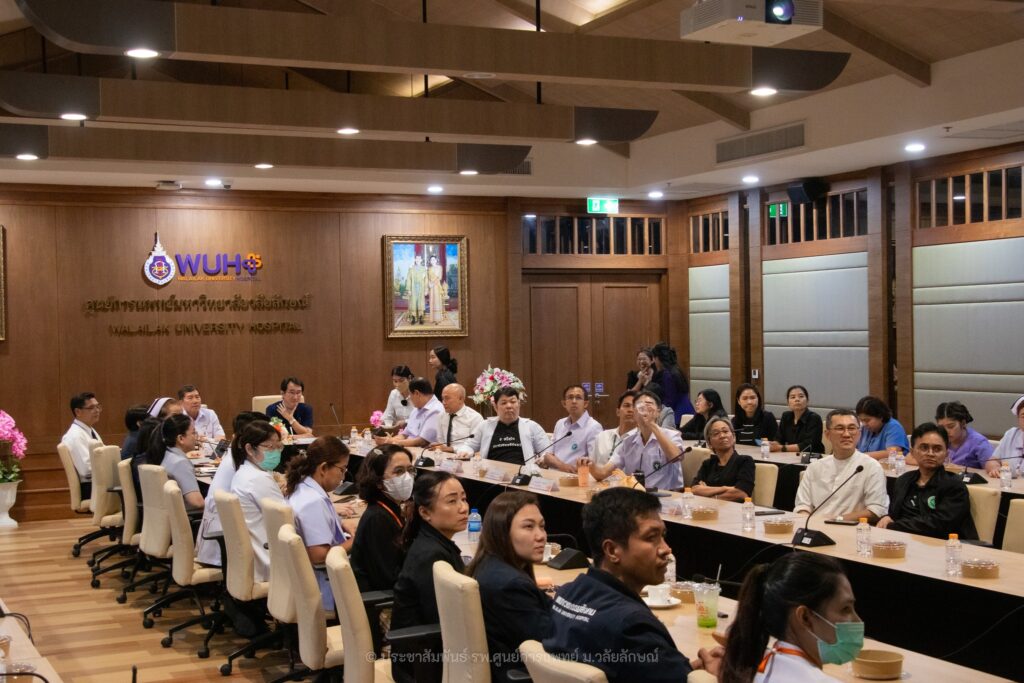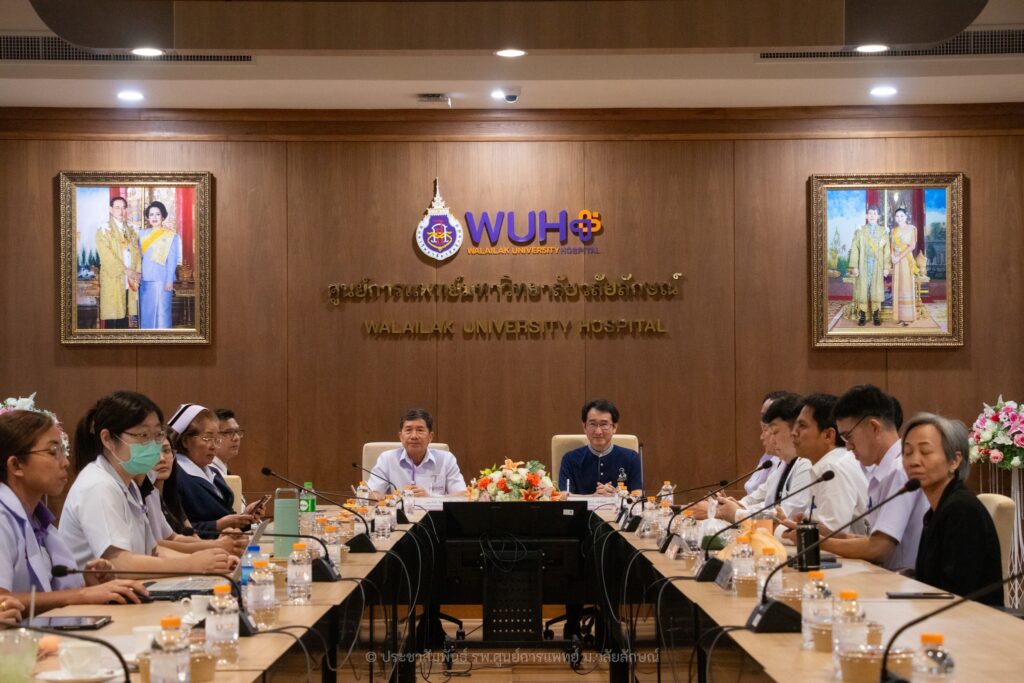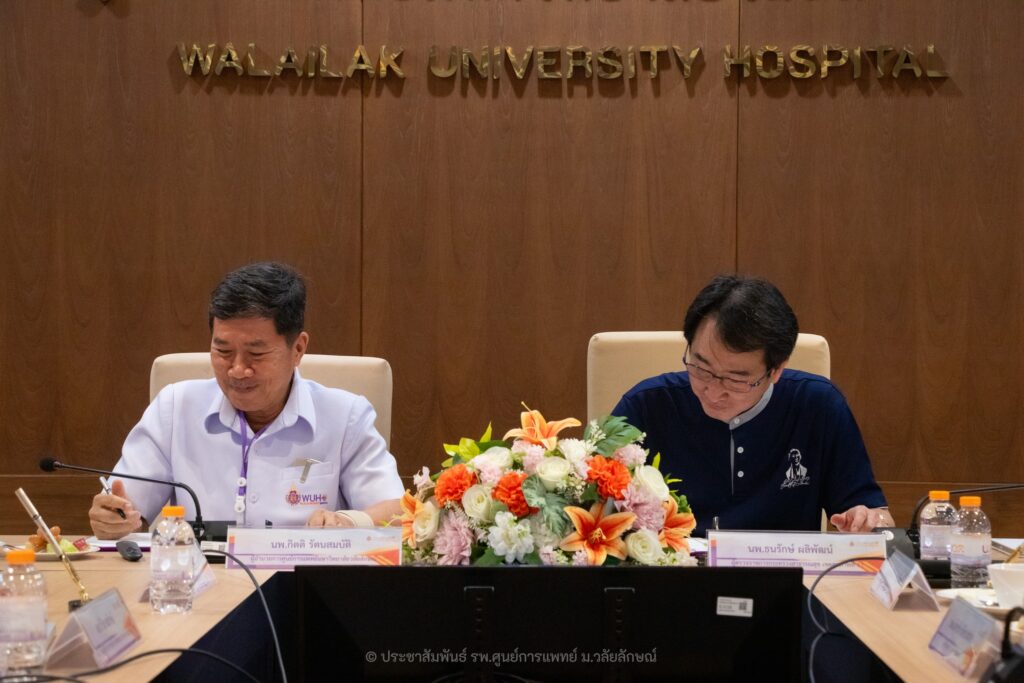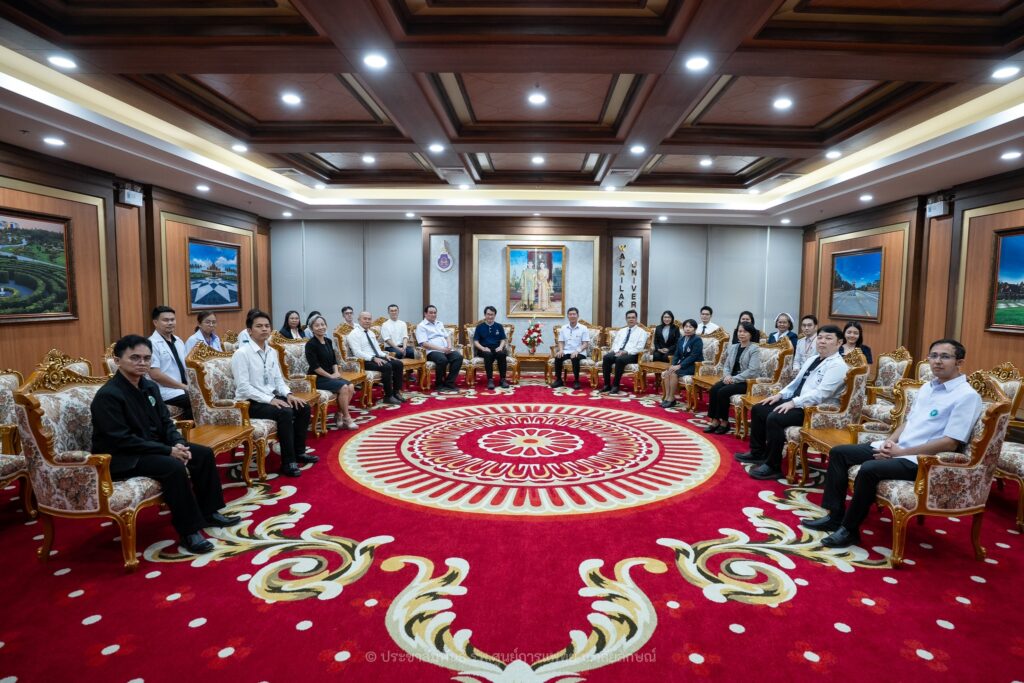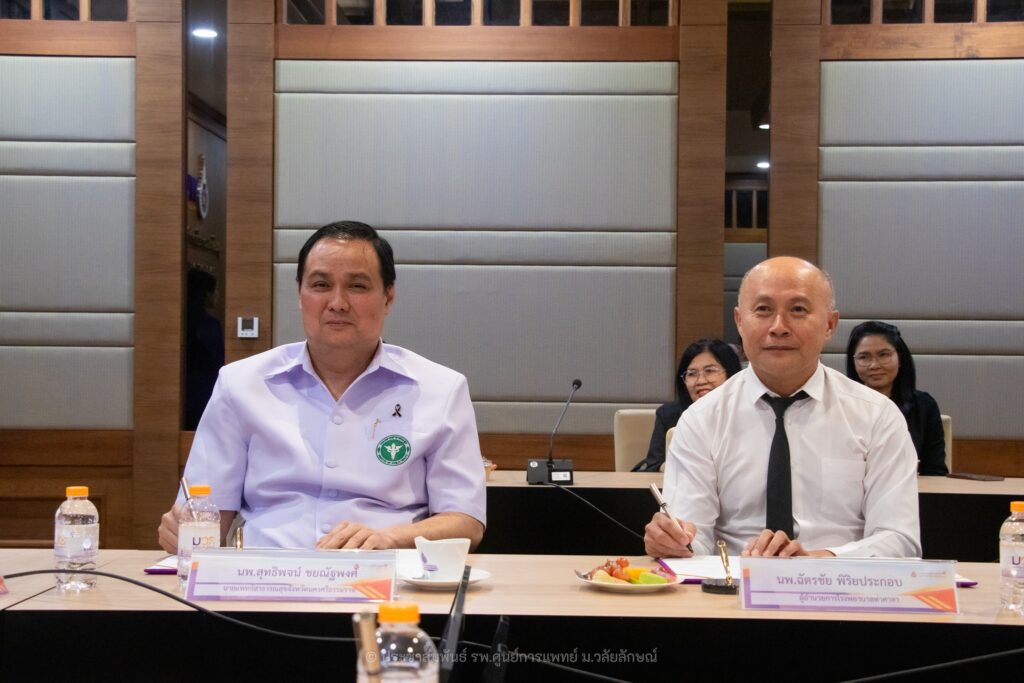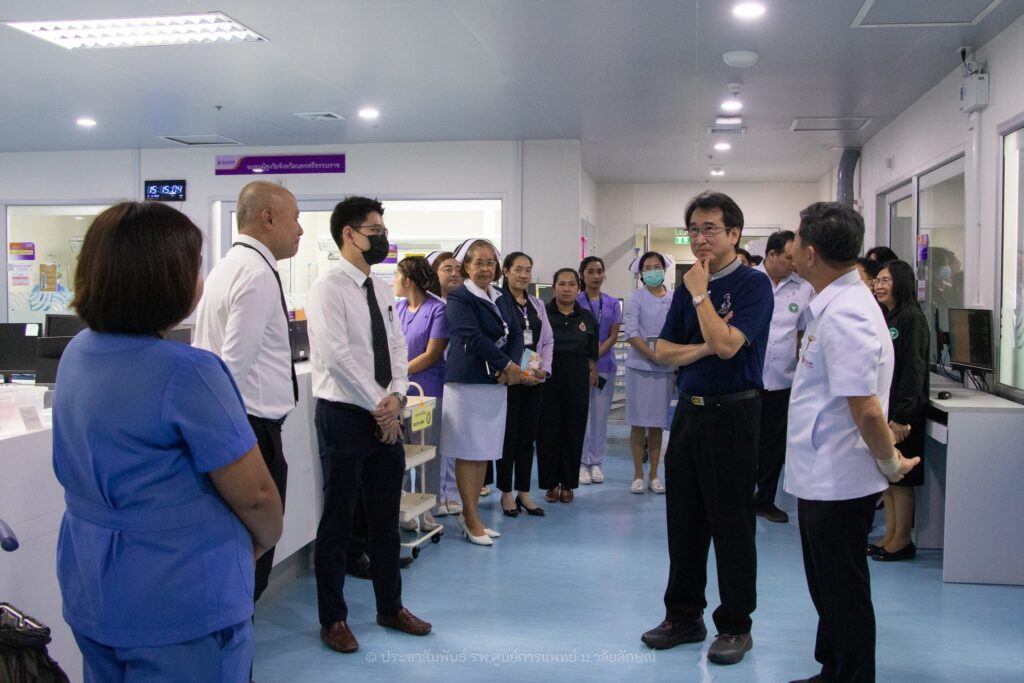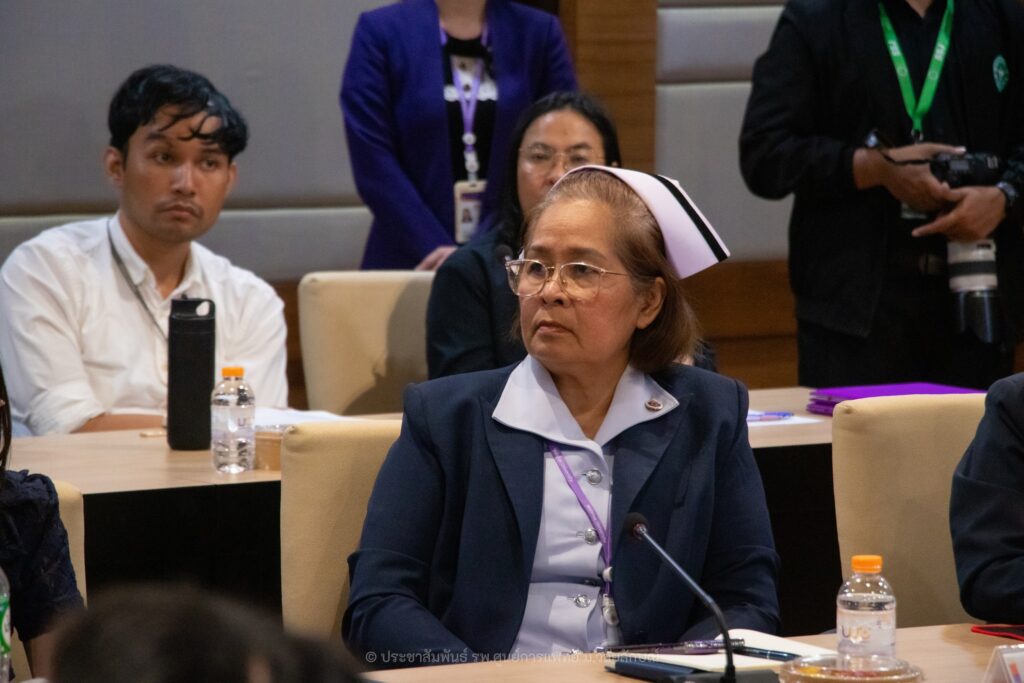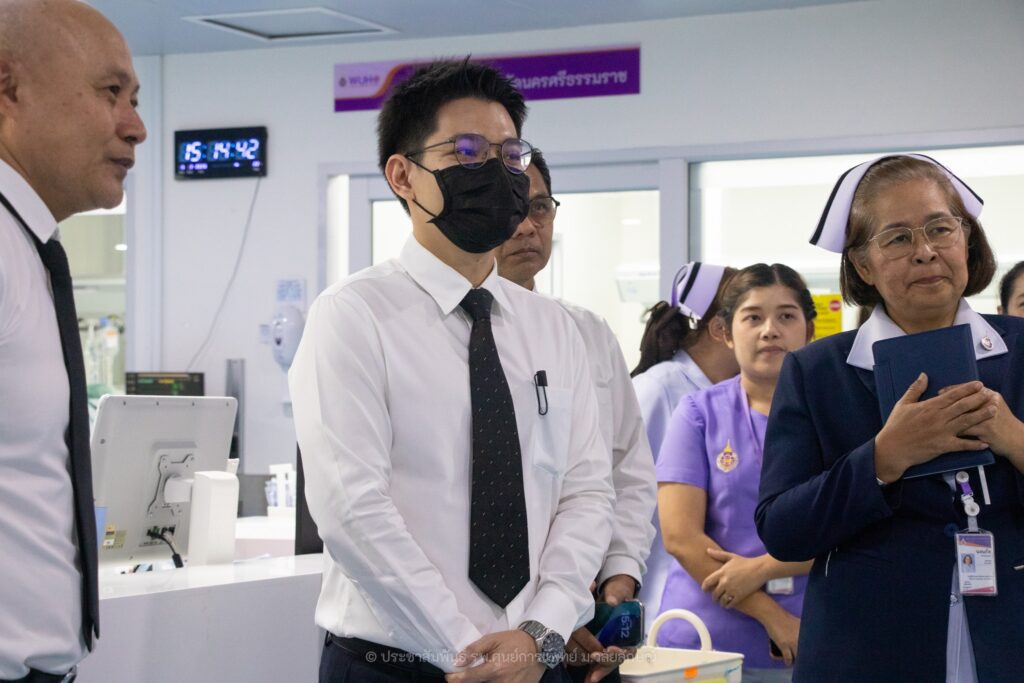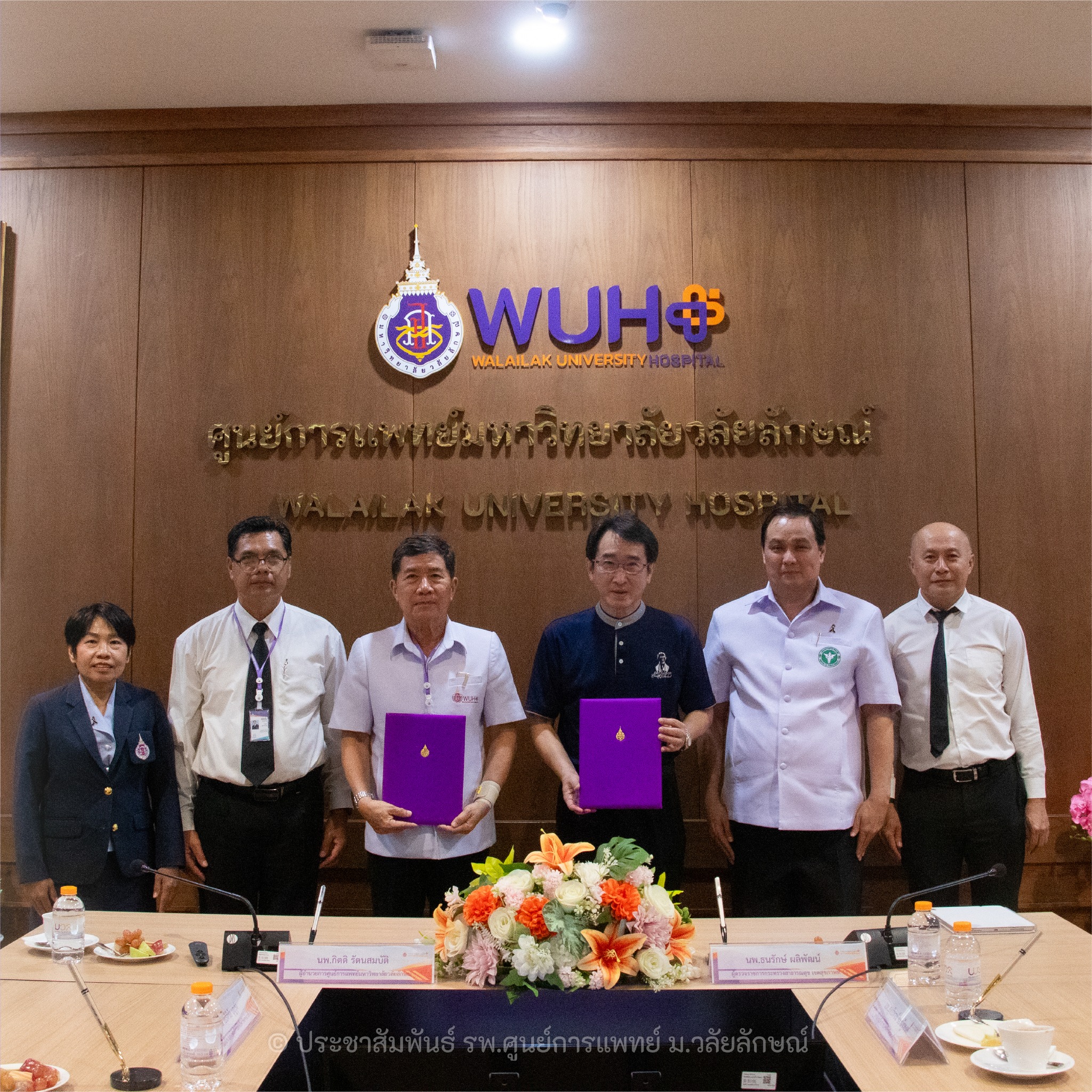

On the afternoon of 6 February 2026, Walailak University Hospital signed a Memorandum of Understanding (MOU) with the Office of the Permanent Secretary, Ministry of Public Health to support professional training in Applied Thai Traditional Medicine.
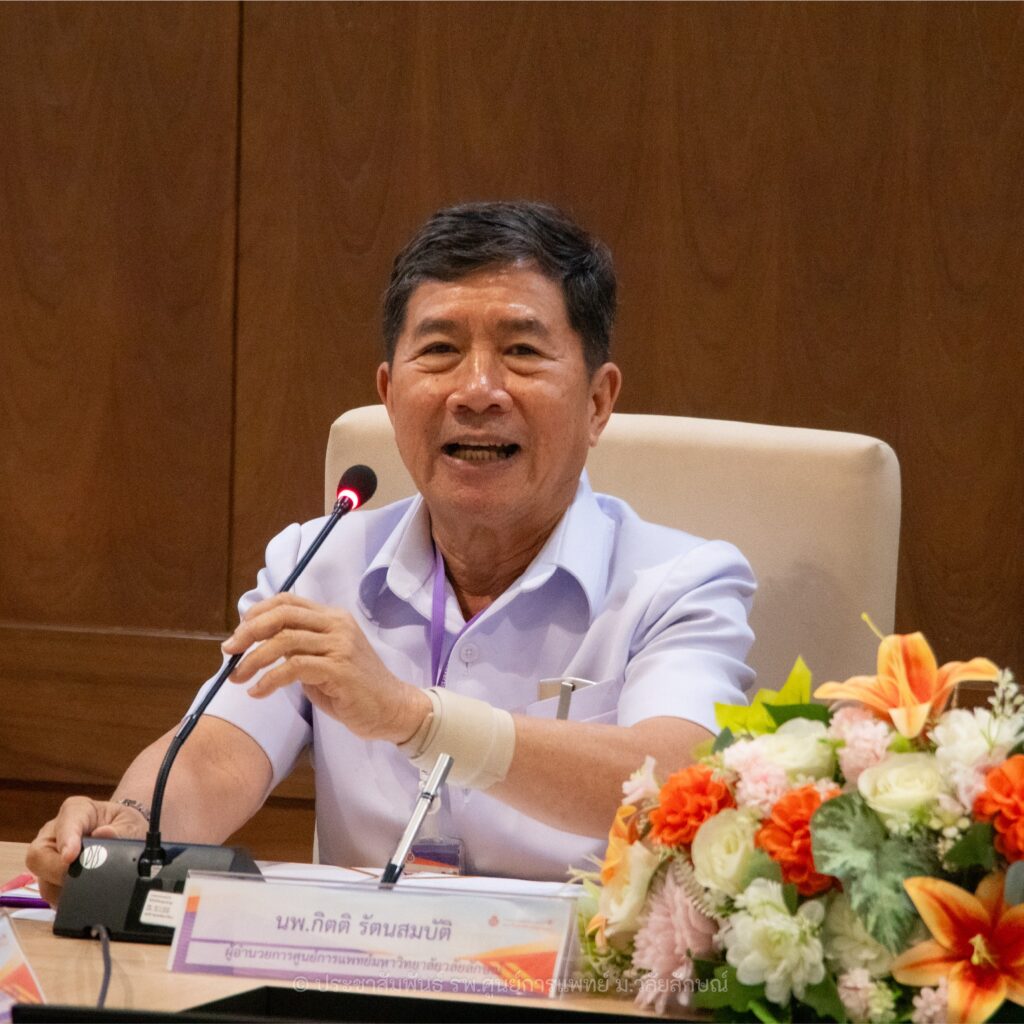
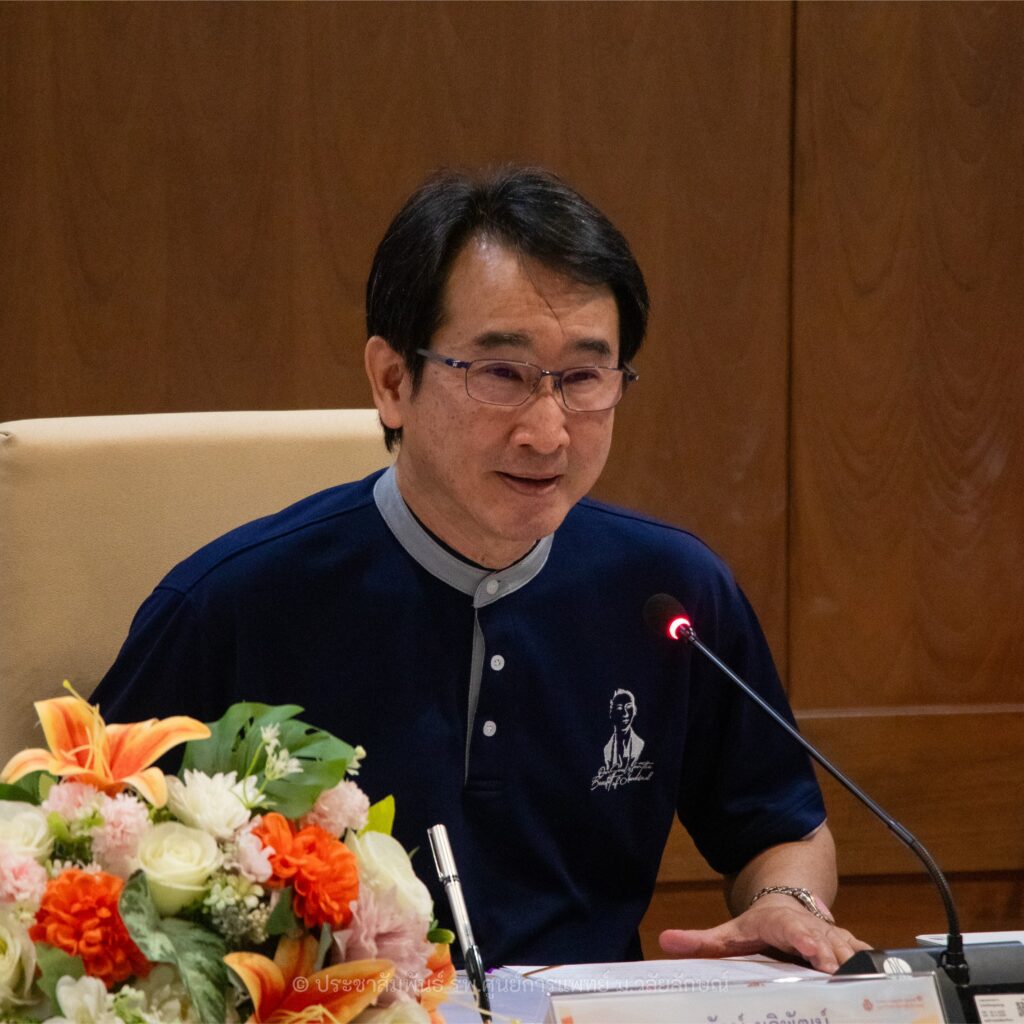
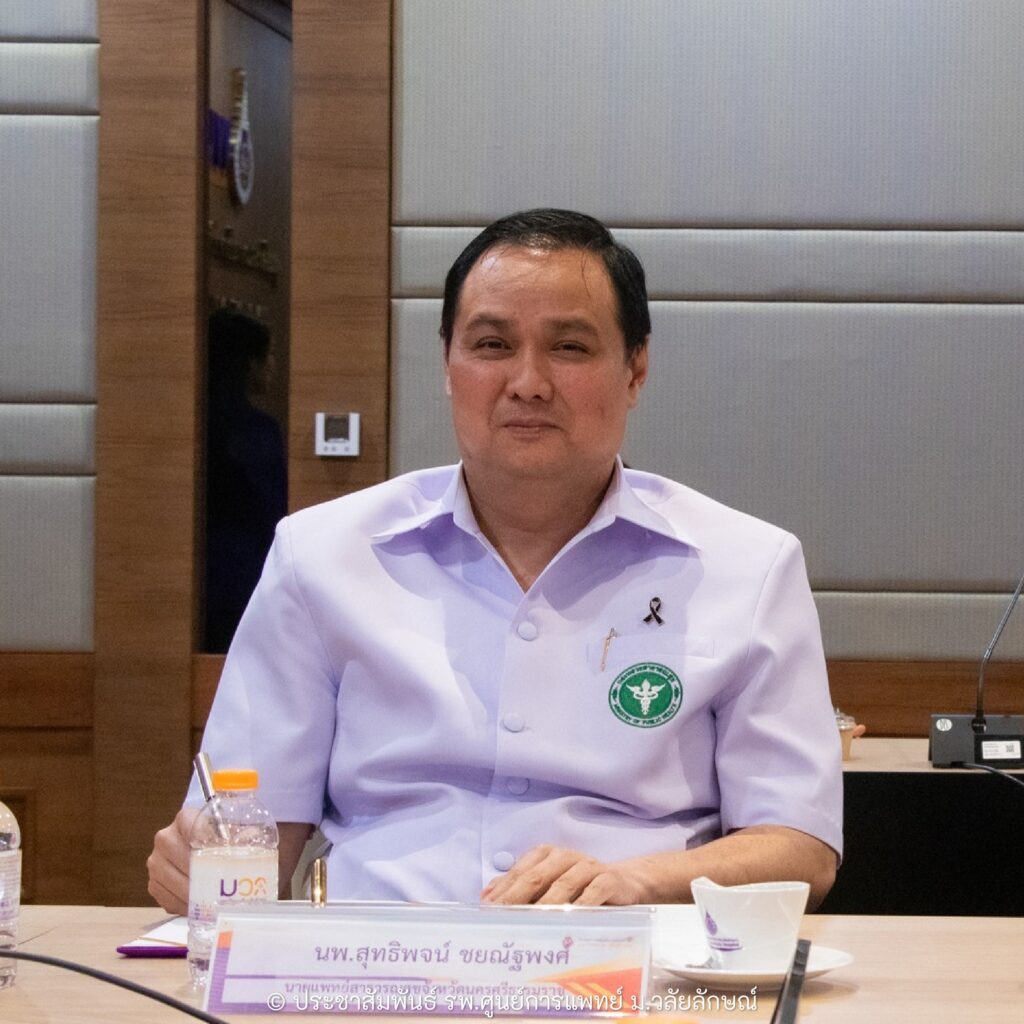
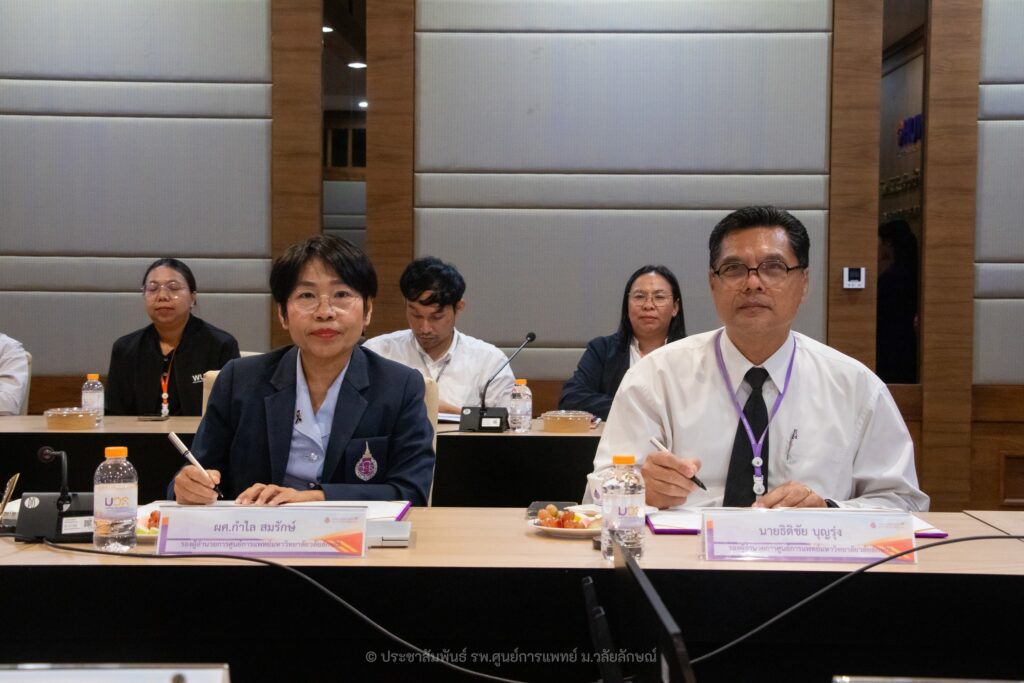
The agreement was signed by Dr. Kitti Rattanasombat, Acting Director of Walailak University Hospital, and Dr. Tanarak Plipat, Inspector-General of the Ministry of Public Health, Area 11. The ceremony was also attended by Dr. Suttipot Chayanattapong, Provincial Chief Medical Officer of Nakhon Si Thammarat, along with several hospital directors who served as witnesses.
This collaboration aims to establish a training center for the Thai Traditional Medicine Practitioner Assistant Program, a 372-hour course designed to prepare assistants to support Thai traditional medicine services. The program follows the regulations of the Thai Traditional Medical Professions Act.
Training will be conducted by qualified Thai Traditional Medicine practitioners across around 11 training centers in Nakhon Si Thammarat. Participating hospitals include Walailak University Hospital, Sichon Hospital, Khanom Hospital, Ronphibun Hospital, Thasala Hospital, Pakphanang Hospital, Huasai Hospital, Phraphrom Hospital, Promkiri Hospital, Lansaka Hospital, and Noppitum Hospital.
Dr. Kitti explained that there is currently a shortage of Thai Traditional Medicine Practitioner Assistants in the region. The new training program aims to increase the number of qualified assistants so that more patients can access Thai traditional medicine services, especially in southern Thailand.
Dr. Tanarak added that this partnership is an important step in strengthening the public health system in the southern region. In addition to training new personnel, the collaboration will also encourage hospitals and health organizations to share knowledge and resources. This approach will help improve healthcare services and ensure the system is ready to respond to future health challenges.
Both organizations will continue working together to support the training program, monitor its progress, and maintain high standards in Thai Traditional Medicine services. The goal is to build public confidence and contribute to a strong and sustainable healthcare system for the country.