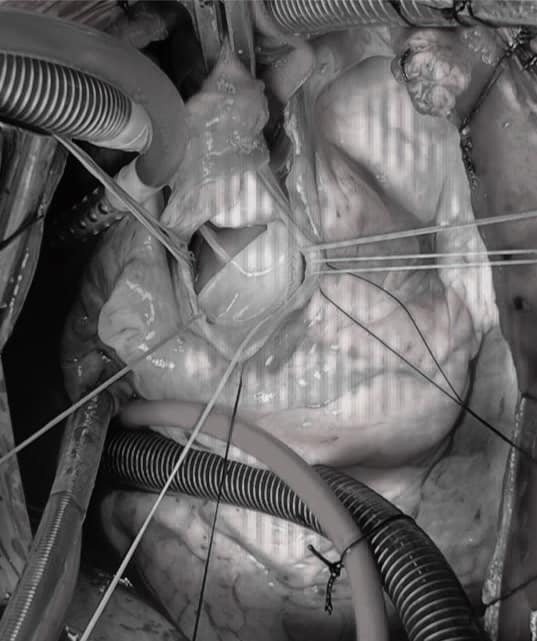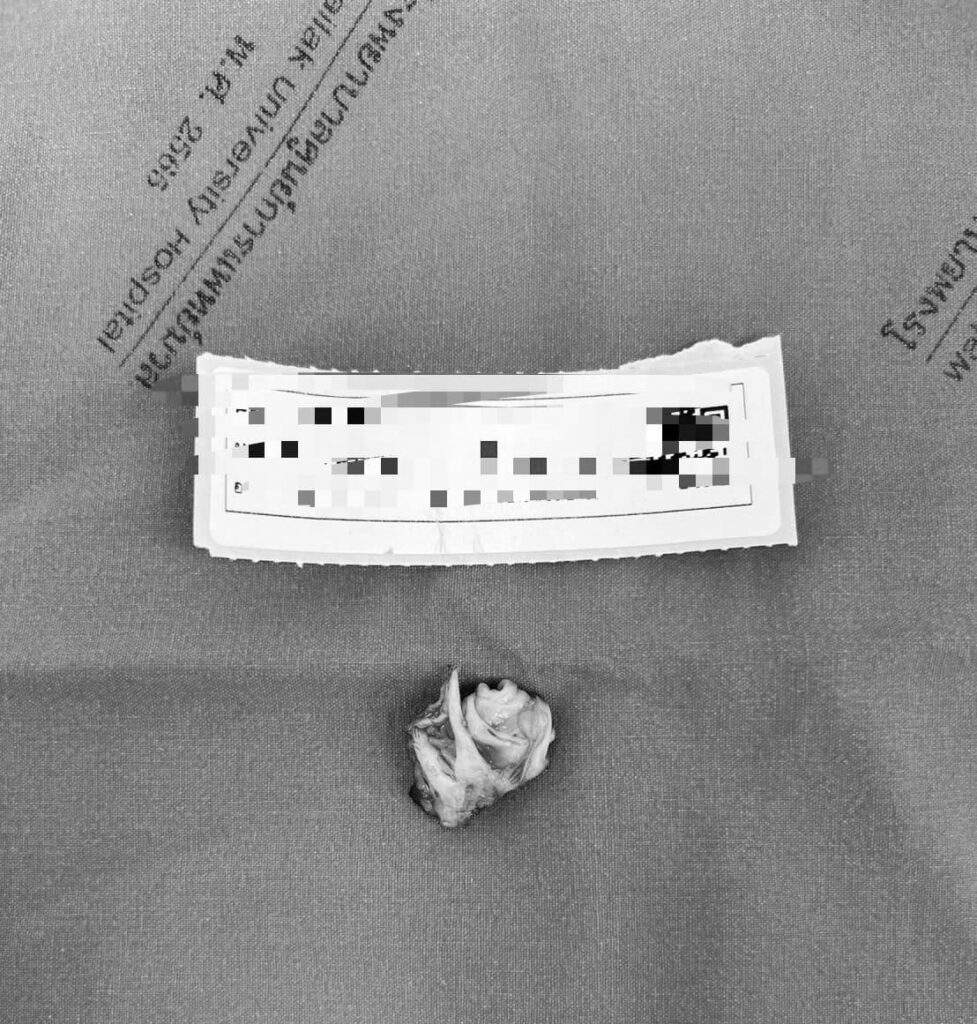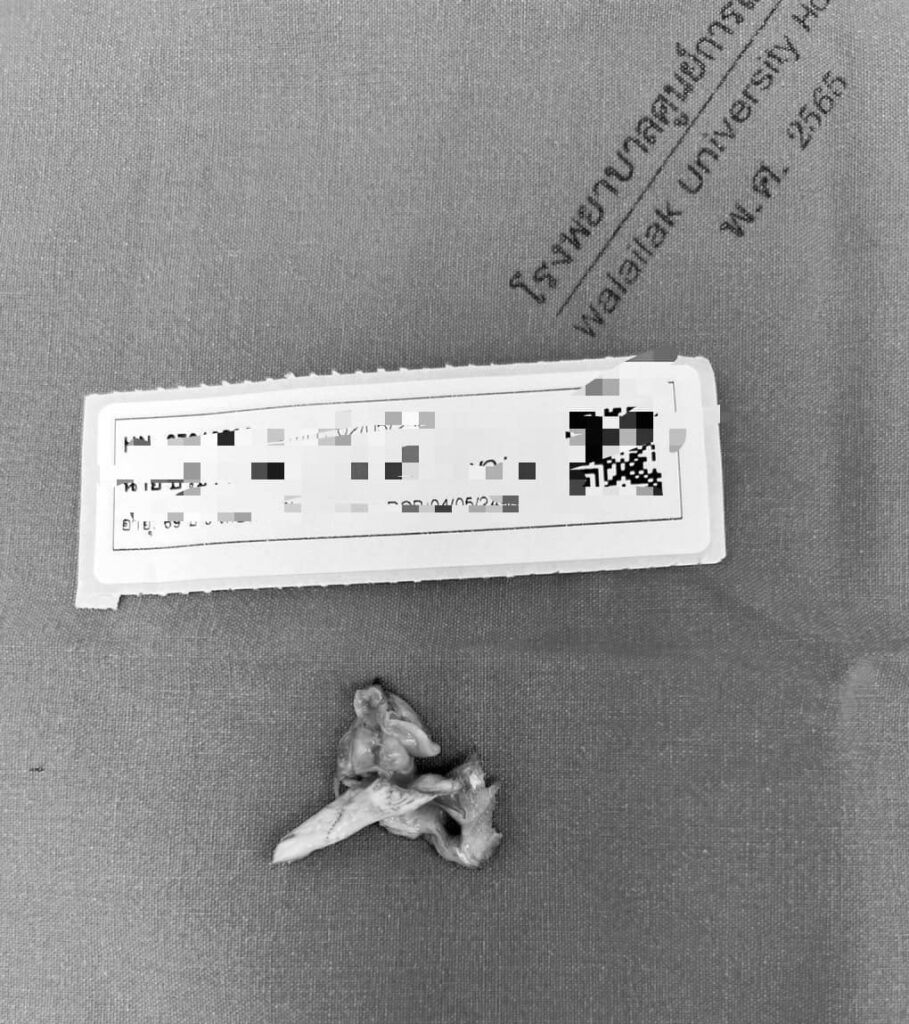
(May 11, 2024): The Thoracic, Cardiac, and Vascular Surgery Unit (CVT) at Walailak University Hospital recently performed a life-saving double heart valve replacement surgery on a 60-year-old male patient suffering from infective endocarditis.
The patient had been experiencing symptoms since late 2023, including fatigue, difficulty lying down, chest tightness, body swelling, loss of appetite, weight loss, aches and pains, pale skin, and fever with chills.
Upon arrival at Walailak University Hospital, the patient’s vital signs were unstable, with low blood oxygen levels. This necessitated immediate intervention, including intubation (placement of a breathing tube) and medication to regulate his blood pressure.
Following admission to the intensive care unit (ICU), blood tests revealed sepsis, a severe infection throughout the body. Therefore, the doctors administered intravenous antibiotics, utilized a ventilator (breathing machine), and corrected his electrolyte imbalance. An echocardiogram, an ultrasound of the heart, confirmed infective endocarditis with significant damage to both aortic and mitral valves.
The CVT team then planned for a double heart valve replacement surgery. This procedure involved removing the infected valve tissue and replacing them with artificial valves made from bovine pericardium (cow’s heart lining). Eventually, the surgery was successful, and the patient is expected to make a full recovery.
This case highlights the critical importance of early diagnosis and treatment of infective endocarditis. Early intervention can significantly improve outcomes for patients with this condition.